Choose the Right Bulb Shape
Step 2 · Start with your fixture
Every fixture is designed around a specific bulb family. Use this guide to match your bulb shape to the fixtures in your home before you worry about color or brightness.
1. Look at the fixture. Is the bulb hidden behind a dome, fully exposed, or recessed up in the ceiling?
2. Match the silhouette. Compare the shapes below with your old bulb and fixture.
3. Confirm the base/socket. Once you know the shape, you’ll confirm the base (standard vs. candelabra) when you pick the exact bulb.
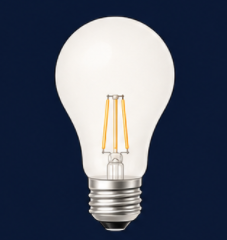
Table lamps, floor lamps, domes, and general fixtures
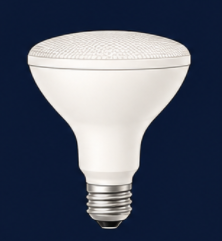
Recessed cans and wide downward light
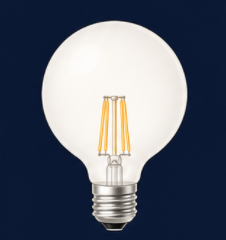
Vanities, mirrors, and decorative exposed-bulb fixtures
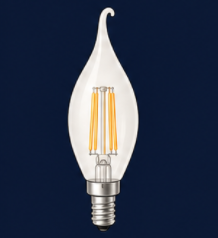
Chandeliers, sconces, and decorative fixtures
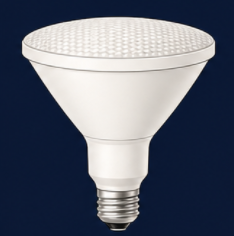
Exterior security lights and focused flood fixtures
Common Bulb Shapes and Where You’ll See Them
Standard Bulbs (A19 / A21)
A familiar shape for many lamps and ceiling fixtures.
- Table and floor lamps
- Ceiling fixtures with a frosted dome
- Flush-mount and semi-flush bedroom lights
- Simple pendant lights over counters or islands
- If the fixture looks like a simple bowl or dome, this is usually the right starting point.
- When in doubt, A19 is the shape most people are expecting in a standard socket.
Candle Bulbs (B10 / B11)
Slender, decorative bulbs that stay visible in the room.
- Chandeliers and dining-room fixtures
- Decorative ceiling fans
- Wall sconces and vanity lights with exposed bulbs
- Open candelabra-style pendants
- If you can see each individual bulb and the fixture is decorative, a candle shape is usually correct.
- These almost always use a smaller, candelabra base (often labeled E12).
Globe Bulbs (G25 / G40)
Round bulbs meant to be seen, not hidden behind a shade.
- Bathroom vanity bars above a mirror
- Hollywood-style mirror lights
- Decorative pendants with fully exposed bulbs
- Some modern chandeliers with round bulbs
- If the fixture has a row of round bulbs across a mirror, you are looking for a globe shape.
- Globe bulbs come in different diameters; match the scale to your fixture so it doesn’t look crowded.
Indoor Floods (BR30 / BR40)
Wide-beam bulbs for recessed cans and downlights.
- Recessed cans in living rooms, kitchens, and hallways
- Downlights in basements and finished attics
- Track lighting with wide, soft beams
- Most 5–6" cans use BR30 or BR40 bulbs. If the opening measures around 5–6", start here.
- These bulbs are designed to throw light downward in a wide, even pool.
Outdoor Floods (PAR38)
Focused beams for exterior and security lighting.
- Motion security lights on the garage or backyard
- Spotlights for architectural or landscape features
- Flood fixtures over driveways and patios
- If the fixture is outside and aims light at a specific area, it likely takes a PAR bulb.
- Look for bulbs rated for damp or wet locations when used outdoors.
Small Appliance Bulbs (A15)
Compact versions of standard bulbs for tight spaces.
- Ceiling fans with smaller shades
- Refrigerators and some ovens (when listed as LED-compatible)
- Compact desk lamps
- Small accent fixtures and sconces
- If a full-size A19 looks too large or doesn’t fit under the shade, an A15 is often the answer.
- Always check the appliance label for maximum wattage and LED compatibility.
Quick shape reference
If you just want a fast decision:
A19 standard bulb
B10/B11 candle bulb
BR30/BR40 flood bulb